When I tell non-simmers that I log over 40 hours per week flying for virtual airlines, they often look puzzled. But within the flight simulation community, virtual airline membership represents one of the most engaging and rewarding ways to experience our hobby. Here’s why these organizations matter and how you can join this dedicated community of virtual aviators.
What Are Virtual Airlines?
Virtual airlines are organized communities of flight simulator pilots who operate fictional or real-world airline replicas. These organizations provide structure, community, and purpose to your sim flying. Instead of random flights between wherever looks interesting today, you fly scheduled routes, track your hours, and progress through rank systems.
Most virtual airlines use specialized software to connect with your simulator. ACARS (Aircraft Communications Addressing and Reporting System) clients automatically detect your flights, tracking departure times, routes flown, fuel consumption, and landing quality. This data feeds into the airline’s systems, crediting your pilot account.
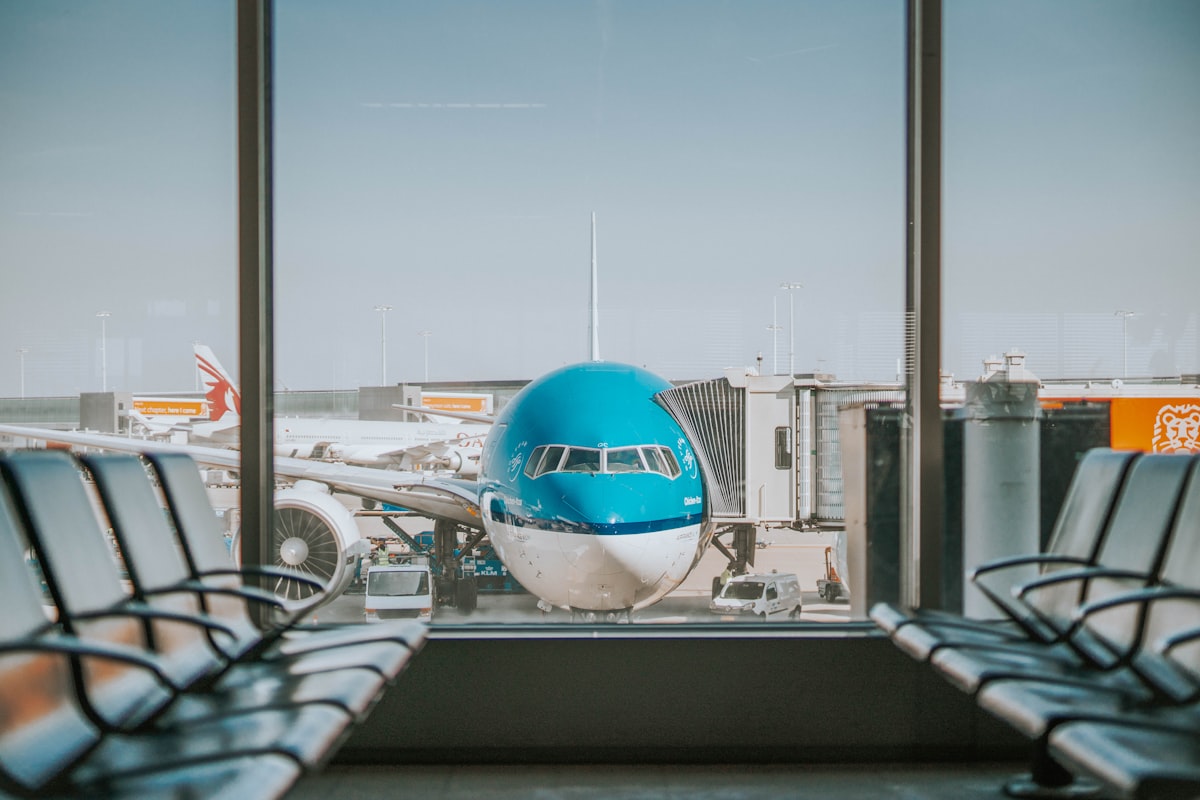
Virtual airline structures vary widely. Some replicate specific real-world carriers with exact routes and liveries. Others create original airlines with unique histories. Some focus on specific regions or aircraft types. The variety ensures every simmer can find their perfect fit.
Why Virtual Airlines Matter
The structure transforms aimless flying into purposeful aviation. When you accept a scheduled departure, you’re committing to professionalism. You plan the route, check weather, calculate fuel, and execute the flight with the care of a real airline pilot. This mindset shift elevates the entire experience.
Community connection keeps pilots engaged long-term. Virtual airlines often maintain active Discord servers, forums, and social media groups. You’ll meet pilots worldwide who share your passion. Many lasting friendships form through these organizations.
Career progression provides tangible goals. Starting as a new-hire pilot, you work through ranks by accumulating hours and completing training requirements. Achieving captain status or earning a senior position delivers genuine satisfaction.
How Hour Logging Works
When I log those 40+ hours weekly, every minute counts toward my virtual career. The ACARS client connects to my simulator at engine startup. It detects my aircraft, departure airport, and planned route. Throughout the flight, it monitors my position, altitude, and systems.
At flight completion, the ACARS submits a PIREP (Pilot Report) to the airline’s system. This records flight time, distance, fuel used, landing rate, and any events during the flight. Rough landings get noted. Go-arounds are tracked. The system holds you accountable.
My weekly schedule involves evening flights after work, longer routes on weekends, and occasional overnight flights when I can monitor them. Some pilots rack up hours with short regional hops. Others prefer long-haul international routes. Both approaches work.
Recommended Virtual Airlines to Join
For beginners, consider starting with a larger, established organization. These typically offer better training resources and more active communities. Look for airlines with consistent management, regular events, and responsive support.
Popular options include virtual versions of major carriers like United Virtual, Delta Virtual, or British Airways Virtual. These benefit from extensive route networks and professional documentation. Cargo operations through FedEx Virtual or UPS Virtual offer different flying styles.
Regional airline virtuals provide excellent experience building with shorter routes and smaller aircraft. Flying for a virtual regional before joining a major mirrors real-world pilot career paths.
Scheduling and Route Planning
Most virtual airlines maintain databases of approved routes. You browse available flights, considering your available time, preferred aircraft, and current location. Some routes require minimum rank to fly, encouraging progression.
I plan my weekly flying schedule each Sunday. I look at my real-world commitments, identify available time blocks, and match them with appropriate routes. A two-hour evening allows a regional flight. A Saturday afternoon opens possibilities for transcontinental routes.
Many pilots enjoy building coherent careers by flying realistic patterns. Start your virtual day repositioning to your hub, fly several routes through the day, and end positioned for tomorrow’s operations. This roleplay aspect deepens immersion significantly.
Career Progression Systems
Virtual airline rank structures typically mirror real-world pilot careers. You might begin as a Second Officer, graduate to First Officer, and eventually achieve Captain. Some airlines include management tracks for experienced members interested in running operations.
Advancement usually requires accumulated flight hours, completed training modules, and sometimes check rides with airline instructors. The requirements vary between organizations, but the satisfaction of promotion feels genuine regardless of the specific system.
Beyond rank, many airlines offer type ratings, route certifications, and special qualifications. Earning authorization to fly the airline’s heaviest aircraft or most challenging routes provides ongoing goals even after reaching captain status.
Integration with VATSIM and IVAO
Virtual airline flying reaches its peak when combined with online ATC networks. VATSIM and IVAO provide live air traffic control for your flights. Suddenly you’re not just following an airline route but communicating with controllers, following instructions, and sharing airspace with other pilots.
Many virtual airlines require or encourage VATSIM/IVAO flights. Some organize group flights where members fly the same routes simultaneously with full ATC coverage. These events create unforgettable experiences as dozens of airline virtual pilots converge on airports together.
The combination of airline structure and live ATC creates the most realistic civilian flight simulation possible. You’re filing flight plans, receiving clearances, following vectors, and executing approaches exactly as real airline pilots do daily.
If you’re looking to transform your flight simulation from solitary hobby to engaging community experience, virtual airlines offer the path. Find an organization that matches your interests, complete their application, and start logging those hours. Your virtual aviation career awaits.



Stay in the loop
Get the latest ultimate flight simulators updates delivered to your inbox.