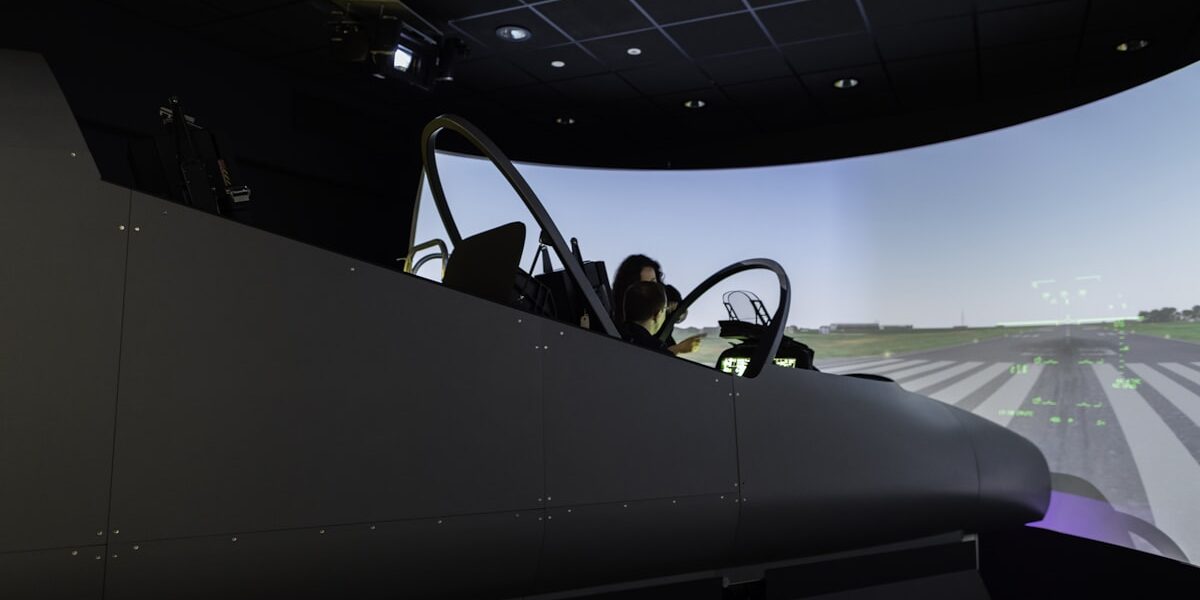
Flight Sim Expo 2023: My Honest Takeaways
Flight sim events have gotten complicated with all the marketing hype flying around. As someone who attended Flight Sim Expo 2023 in Houston at the Lone Star Flight Museum, I learned everything there is to know about what’s actually happening in our hobby. Today, I will share it all with you.
The Hardware That Actually Impressed Me
The exhibition hall was packed. Vendors showed off everything from complete PC builds optimized for MSFS to VR headsets promising the next level of immersion. Some of it was genuinely impressive. Some of it was marketing fluff. Here’s what stood out:
- 3D printed yokes and pedals were everywhere, and the customization options have gotten seriously good. You can get hardware tailored to specific aircraft types now.
- Motion platforms have come down in price while improving in fidelity. The subtle movements — not the roller coaster stuff, but the gentle bumps and sways of real flight — are convincing enough to trick your brain.
- Software demos showed real progress in AI traffic behavior and weather modeling. The live weather integration demos were particularly compelling.
Probably should have led with this section, honestly. The hands-on demos were the highlight. Reading specs online doesn’t compare to actually feeling how a new yoke or throttle quadrant responds. Several vendors let attendees test drive their hardware with full sim setups running, which was the smartest marketing decision at the entire event.
Workshops Worth Attending
The expo offered workshops for every skill level, and I sat in on several. Beginners got solid introductions to basic flight sim concepts. Advanced sessions dove into flight dynamics and aircraft systems at a level that would satisfy real-world pilots. The best sessions covered:
- Aircraft handling techniques that translate between sim and real flying.
- Scenery development tools and workflows — watching someone build a detailed airport from scratch in real time was fascinating.
- Cockpit building tips from people who’ve gone full home-cockpit and can tell you every mistake to avoid.
The Q&A panels with industry veterans were hit or miss. Some offered real insight into where sim technology is heading. Others felt like extended product pitches. The best panels were the ones with real-world pilots discussing how they use sims for proficiency training.
Meeting the Community
That’s what makes Flight Sim Expo endearing to us dedicated simmers — you finally meet the people behind the forum usernames. The networking was genuine. People shared knowledge, debated preferences, and formed connections that continue online long after the event ends.
Online forums featured heavily, and several communities used the expo as a meetup point. The energy was contagious. Flight simming can feel like a solitary hobby, but being in a room full of people who share your obsession reminds you why this community is special.
Where Flight Sim Is Headed
Industry leaders shared predictions about cloud computing reducing hardware requirements for high-fidelity simulation. AI is being used to create more lifelike environments and NPC behaviors. The educational angle got significant attention too — more flight schools are incorporating sim technology into training curricula, and the expo demonstrated how that pipeline is developing.
The conversations about training applications felt particularly important. Sims aren’t replacing real cockpit time, but they’re supplementing it in ways that genuinely improve pilot readiness. Schools are starting to introduce these tools earlier in the education pipeline.
What the Developers Actually Listened To
Several exhibitors actively solicited user feedback, and to their credit, they seemed to actually listen. Community input drives product development in this niche, and the expo provided a concentrated feedback loop. Attendees shared their experiences through social media and live streams, extending the event’s reach to those who couldn’t attend in person.
The most productive conversations happened at the smaller vendor booths where developers engaged one-on-one with users. Those interactions felt like genuine partnership between creators and their community.




Stay in the loop
Get the latest ultimate flight simulators updates delivered to your inbox.