Who Actually Makes the Best Aircraft Add-ons?
Not all flight simulator add-ons are created equal. The difference between a $30 aircraft that feels like the real thing and one that barely functions comes down to the developer behind it. Three names dominate discussions of quality general aviation and regional aircraft: Just Flight, Carenado, and A2A Simulations. Understanding their philosophies helps you spend wisely.
Just Flight: The Systems-Focused Developer
Just Flight has been creating flight simulation add-ons since 1985, making them one of the oldest companies in the industry. Their modern MSFS lineup focuses on detailed systems modeling and authentic flight characteristics.
Signature Products:
- PA-28 Warrior / Arrow series – The gold standard for trainer aircraft
- Turbo Arrow III/IV – Complex systems with turbocharging
- BAe 146 – Regional airliner with impressive depth
- Hawk T1 – Military trainer with accurate handling
Development Philosophy:
Just Flight prioritizes systems accuracy over visual flash. Their aircraft feature complete electrical systems, realistic failures, accurate fuel management, and flight characteristics derived from real pilot consultation. The PA-28 Arrow, for instance, models the constant-speed propeller, retractable gear, and complex fuel system with impressive fidelity.
Strengths:
- Exceptional systems depth for training-focused pilots
- Flight models validated against real aircraft data
- Thorough documentation and pilot operating handbooks
- Regular updates addressing community feedback
Weaknesses:
- Visual textures occasionally less detailed than competitors
- Higher learning curve due to systems complexity
- Fewer “casual” aircraft in their lineup
Best for: Pilots who want to learn proper procedures and systems management. If you practice checklists and enjoy complexity, Just Flight delivers.
Carenado: The Visual Artists
Mexican developer Carenado earned their reputation creating beautiful aircraft that look stunning in screenshots and videos. They’ve expanded into MSFS with an extensive library covering general aviation and light twins.
Signature Products:
- CT182T Skylane – Gorgeous rendition of the classic Cessna
- M20R Ovation – Sleek Mooney with beautiful interior
- PA-44 Seminole – Popular multi-engine trainer
- Beechcraft Bonanza series – Multiple variants available
Development Philosophy:
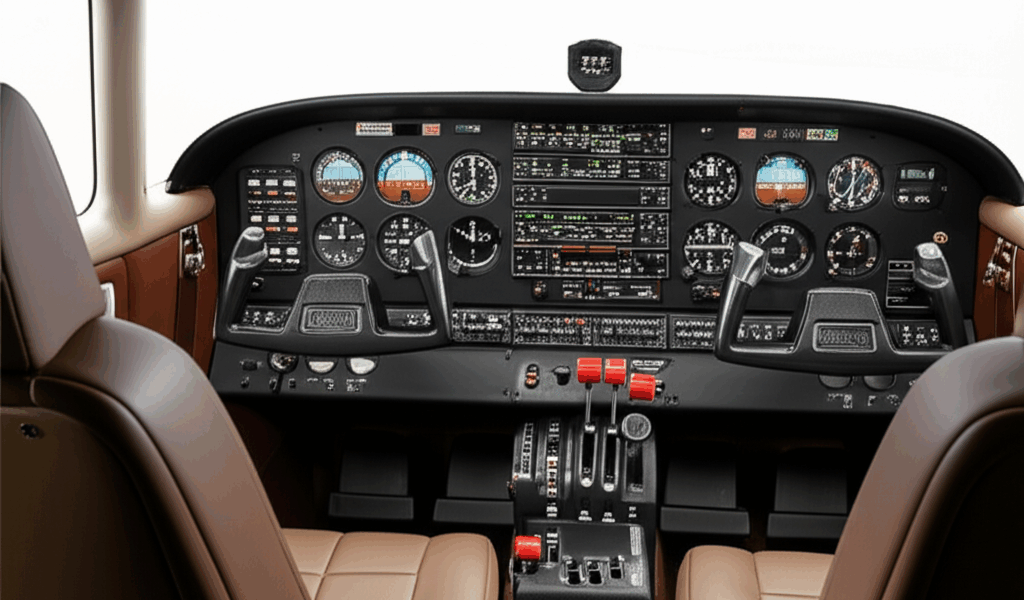
Carenado prioritizes visual presentation. Their cockpits feature detailed texturing, realistic wear patterns, and attention to aesthetic details that photograph beautifully. Flight models are competent but simplified compared to study-level alternatives.
Strengths:
- Industry-leading visual quality and textures
- Wide variety of aircraft types available
- Accessible to casual pilots without steep learning curves
- Competitive pricing
Weaknesses:
- Systems depth often superficial
- Flight models occasionally feel “floaty” or unrealistic
- Limited post-release support compared to competitors
- Documentation typically minimal
Best for: Pilots who prioritize visuals for streaming or screenshots, casual simmers who want variety, and those who find complex systems intimidating.
A2A Simulations: The Perfectionist’s Choice
A2A Simulations occupies the pinnacle of general aviation simulation. Their aircraft feature unprecedented depth, modeling everything from engine wear to oil consumption to realistic failures. The company takes years to develop each product.
Signature Products:
- Comanche 250 – Their flagship with Accu-Sim technology
- Previous P3D titles included the legendary C172 and Bonanza
- MSFS lineup expanding with same quality standards
Development Philosophy:
A2A’s Accu-Sim system models the aircraft as a living machine. Engines wear over time, requiring maintenance. Oil consumption varies with usage. Failures occur based on how you operate the aircraft, not random chance. Skip the pre-flight and you might find problems in flight. Abuse the engine and it won’t last.
Strengths:
- Unmatched simulation depth—nothing else compares
- Persistent aircraft that remember their history
- Flight models that real pilots praise as accurate
- Maintenance and wear simulation adds consequences
Weaknesses:
- Premium pricing ($50-70+ per aircraft)
- Requires significant time investment to appreciate
- Small product catalog due to development time
- Can feel overwhelming for casual users
Best for: Dedicated simmers who want the most realistic GA experience possible, real-world pilots maintaining proficiency, and enthusiasts who value depth over breadth.
Head-to-Head Comparison
| Aspect | Just Flight | Carenado | A2A |
|---|---|---|---|
| Visual Quality | Good | Excellent | Very Good |
| Systems Depth | Very Good | Basic | Exceptional |
| Flight Model | Excellent | Good | Exceptional |
| Price Range | $30-45 | $25-40 | $50-70 |
| Documentation | Excellent | Minimal | Excellent |
| Update Support | Good | Limited | Good |
Making Your Choice
Your ideal developer depends on why you fly:
Learning instrument procedures and systems? Just Flight’s Arrows and Warriors provide excellent training platforms at reasonable prices.
Building a diverse hangar without breaking the bank? Carenado’s extensive catalog lets you fly something different every session.
Wanting the most realistic single-engine experience possible? A2A’s Comanche (and future releases) set the standard nothing else matches.
Many simmers own aircraft from all three developers, using each for different purposes. That’s the beauty of a mature marketplace—options exist for every flying style and budget.




Stay in the loop
Get the latest ultimate flight simulators updates delivered to your inbox.